Discover the Refreshing World of Homemade Kiwi Juice
Craving a vibrant, tangy, and incredibly nutritious beverage? Look no further than homemade kiwi juice! Learning how to make kiwi juice at home is surprisingly simple, offering a fresh burst of flavor that store-bought varieties just can't match. Whether you're equipped with a high-tech juicer or simply have a blender on hand, crafting this sweet-tart elixir is an effortless endeavor, perfect for a sunny afternoon treat or a healthy start to your day.
Kiwi, with its fuzzy exterior and emerald-green flesh, is a nutritional powerhouse. Packed with Vitamin C, K, E, and potassium, this small fruit delivers a significant health boost in every sip. Its unique flavor profile—a delightful balance of sweet and tart with a subtle zesty kick—makes it enjoyable on its own or as a versatile base for countless other delightful concoctions. Forget artificial flavors and excessive sugars; with homemade kiwi juice, you control every ingredient, ensuring a pure, refreshing experience tailored to your taste buds.
Choosing & Preparing Your Kiwis for Juicing
The secret to exceptional kiwi juice begins with selecting the right fruit. Here's what to look for and how to get your kiwis ready:
Selecting the Perfect Kiwi
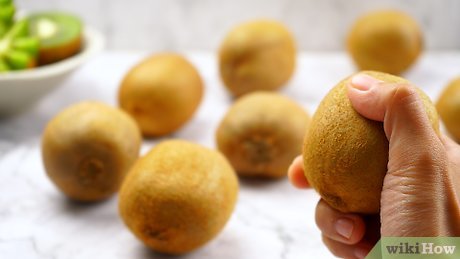
- Ripeness is Key: When choosing kiwis, gently squeeze them. A ripe kiwi should have a slight give, similar to a ripe avocado. Avoid kiwis that are rock-hard (they'll be too sour) or excessively soft and mushy (they might be overripe and less flavorful).
- Visual Cues: Opt for kiwis with smooth, unblemished skin. Steer clear of any with cracks, wrinkles, or soft spots, as these indicate declining quality and less juice.
- Speeding Up Ripening: If your kiwis are a bit too firm, you can hasten the ripening process by placing them in a paper bag with a banana or apple at room temperature for a couple of days. These fruits release ethylene gas, a natural ripening agent.
Preparation: To Peel or Not to Peel?
Once you have your perfectly ripe kiwis, it's time for preparation. This is where a common question arises: should you peel them?
- Skin On for Maximum Nutrients: The skin of a kiwi is surprisingly nutritious, containing fiber, antioxidants, and Vitamin C. If you choose to keep the skin on, ensure you scrub the kiwis thoroughly under cold running water. Many people use a clean abrasive sponge to gently rub off the tiny hairs, resulting in a smoother texture for your juice. This method is particularly efficient if you're using a juicer.
- Peeled for Purity: If the fuzzy texture or a potentially bitter note from the skin isn't to your liking, or if you simply prefer a smoother, brighter green juice, peeling is perfectly fine. You can use a vegetable peeler or a small paring knife to remove the skin. While you'll lose some nutrients, the resulting juice will still be incredibly healthy and delicious.
How to Make Kiwi Juice: Two Simple Methods
Whether you're a juicing enthusiast or prefer the simplicity of a blender, how to make kiwi juice is accessible to everyone.
Method 1: With a Juicer (For Pulp-Free Perfection)
Using a juicer is the quickest way to achieve a smooth, pulp-free juice. This method separates the liquid from the solids almost instantly, yielding a concentrated, vibrant beverage.
- Prepare Kiwis: Wash your kiwis thoroughly. If keeping the skin on, scrub well to remove fuzz. If peeling, do so now. Cut larger kiwis into pieces small enough to fit your juicer's chute.
- Juice Away: Feed the prepared kiwi pieces through your juicer. The juicer will extract the liquid, leaving behind the pulp.
- Serve & Enjoy: Pour the fresh kiwi juice into a glass, add ice if desired, and serve immediately.
Pro Tip: Juicing whole kiwis (skin on, after thorough scrubbing) maximizes nutrient retention, especially fiber and antioxidants concentrated in the skin.
Method 2: Without a Juicer (The Blender Method)
No juicer? No problem! Your blender can create equally delicious kiwi juice, often with a thicker, more smoothie-like consistency, or a strained version that mimics juicer results.
- Prepare Kiwis: Wash and peel your kiwis (peeling is highly recommended for blending, as the skin can give a slightly gritty texture if not fully processed). Chop the peeled kiwis into rough chunks.
- Blend: Place the kiwi chunks into your blender. Add a small amount of liquid to help with blending. This could be a splash of water, coconut water, or even a complementary fruit juice like apple juice. Start with about 1/4 cup of liquid per 4-5 kiwis, and add more if needed to achieve a smooth consistency.
- Process: Blend on high speed until completely smooth. This might take 1-2 minutes, depending on your blender's power.
- Strain (Optional, for smoother juice): If you prefer a pulp-free juice, pour the blended mixture through a fine-mesh sieve or a nut milk bag set over a bowl. Use a spoon or spatula to press down on the solids, extracting as much liquid as possible. Discard the remaining pulp or save it for other uses (like adding to smoothies or baked goods).
- Serve & Adjust: Pour the strained or unstrained juice into glasses. Taste and adjust sweetness or tartness as desired.
Pro Tip: For a more vibrant green color and added nutrients, try blending in a handful of fresh spinach or kale. You won't taste it, but you'll reap the benefits!
Elevating Your Kiwi Juice: Flavor Combos & Add-Ins
While pure kiwi juice is fantastic, its versatile flavor makes it a perfect canvas for creative additions. Customizing your kiwi juice allows you to experiment with different tastes, textures, and nutritional boosts. For even more exciting ideas, check out our guide on Customize Your Kiwi Juice: Best Add-ins & Flavor Combos!
- Sweeteners (Optional): If your kiwis are particularly tart, or you simply prefer a sweeter juice, a touch of liquid sweetener works wonders. Maple syrup, agave nectar, or honey are excellent choices that blend seamlessly.
- Fruit Pairings: Kiwi is incredibly amicable with other fruits.
- Kiwi Strawberry Juice: A classic pairing, strawberries add a delightful sweetness and beautiful color.
- Apple: A sweet green apple (like Gala or Fuji) balances kiwi's tartness beautifully.
- Citrus: A squeeze of lemon or lime juice can brighten the flavor, especially if your kiwi is on the sweeter side. Orange or pineapple juice also make excellent bases.
- Tropical Combos: Mango, pineapple, or guava can transport your taste buds to a tropical paradise.
- Berries: Blueberries, raspberries, or mixed berries add antioxidants and a complex sweetness.
- Veggies for a Nutrient Boost: Don't shy away from greens! Spinach or kale are nearly undetectable in taste but significantly boost the nutritional content. Cucumber and celery offer a refreshing, neutral flavor that dilutes the intensity of kiwi while adding hydration and nutrients.
- Hydrating Liquids: Dilute your juice with still or sparkling water for a lighter drink. Coconut water is another fantastic option, adding electrolytes and a subtle tropical sweetness. Even tonic water can add an interesting fizz!
- Herbal Notes: A few fresh mint or basil leaves blended in or used as a garnish can elevate the aroma and add a sophisticated twist.
- Adult Indulgence: For a refreshing summer cocktail, blend your kiwi juice with a shot of vodka, gin, or light rum. Garnish with a kiwi slice and a sprig of mint for an elegant presentation.
Expert Tips for Optimal Enjoyment
To ensure your homemade kiwi juice is always a hit, keep these tips in mind:
- Serve Chilled: Kiwi juice is best enjoyed cold. Prepare it just before serving or chill it in the refrigerator for at least an hour. Add ice cubes for an extra refreshing kick, especially on a hot day.
- Taste and Adjust: Always taste your juice before adding sweeteners or additional ingredients. Kiwis vary in sweetness, so adjust to your preference.
- Storage: Fresh kiwi juice is best consumed immediately for optimal flavor and nutrient retention. If you have leftovers, store them in an airtight container in the refrigerator for up to 24-48 hours. Beyond that, the flavor and nutrient content may diminish.
- Experiment with Textures: Decide if you prefer a smooth, strained juice or a slightly pulpy version. Both are delicious, so experiment to find your favorite.
For more easy and delicious kiwi juice recipes and inspiration, explore our article on Nutritious Kiwi Juice: Easy Recipes & Refreshing Flavor.
Conclusion
Learning how to make kiwi juice is a simple yet rewarding skill that opens up a world of fresh, healthy, and incredibly flavorful possibilities. Whether you opt for the efficiency of a juicer or the versatility of a blender, you can create a vibrant beverage that's naturally sweet, tangy, and bursting with vitamins. From simple, pure kiwi juice to elaborate fruit and veggie blends, the options are endless. So, grab some ripe kiwis and start juicing—your taste buds and your body will thank you for this delightful homemade treat!
